CHOOSING YOUR SIDING MATERIALS VINYL OR FIBER CEMENT
When it comes to caring for your home’s exterior, siding offers the best protection; it guards against outside elements, such as weather, noise, and pests. Common siding materials include fiber cement, vinyl, brick, stucco, aluminum, with the most popular being vinyl siding. Another widely used siding is fiber cement; some refer to it as Hardie Board or Hardie Plank as James Hardie Industries is the world’s leading producer of high-performance fiber cement solutions. Langbeen Builders offers both vinyl siding and Hardie Board siding selections for its clients. To help you decide which siding makes the most sense for your new home construction project, consider the following pros and cons of each material.
Vinyl Siding
Vinyl siding is easy and lightweight to install and requires very little maintenance. A good cleaning with a power washer every year is usually enough to keep it looking new. And, it is available in just about every color and textures to coordinate with the home’s architecture. Some of the styles available include board and batten, cedar shake, clapboard, dutch lap, and beaded board.
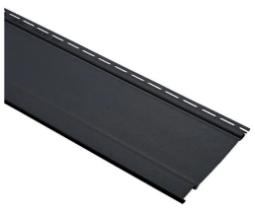
Board and Batten
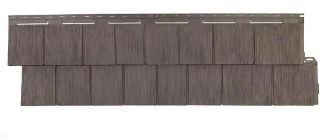
Cedar Shake
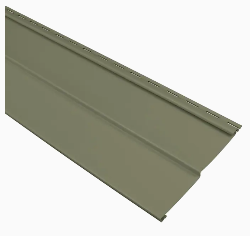
Clapboard
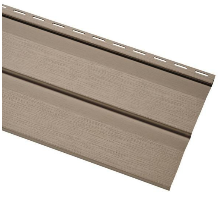
Dutch Lap

Beaded Board
Pros
- Virtually maintenance free; requires an annual power washing or washing with garden hose
- Lightweight, easy to transport and install
- Easy to repair, simply remove damaged panel and replace
- Very versatile, allows better matches with architectural styles
- Available in over 360 colors; does not need painting
Cons
- Susceptible to cracking over time, leading to potential damage
- Fire retardant, slows down the spread of flames; is not fire resistant
- Vulnerable to melting caused by flames, grills, and solar heat reflected off Low-E windows
- Manufactured of PVC, does not degrade in landfills
- Prone to fading; shows age in 10-15 years
Fiber Cement
Fiber cement is a man-made material using wood fibers, clay, sand, and cement. It imitates the look of wood, yet is more durable than wood. It is available in a variety of styles and options to match virtually any style home. James Hardie Industries offers lap, shingles, vertical, and panel fiber cement siding options.
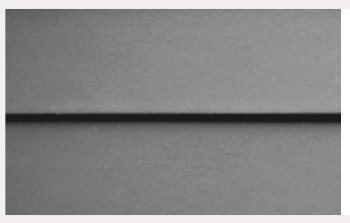
Hardie Lap Siding Smooth
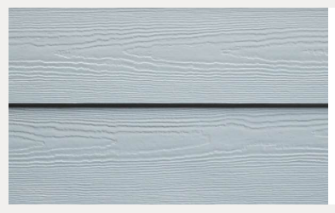
Hardie Lap Siding Textured
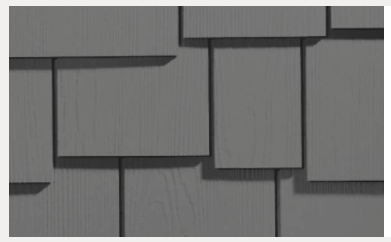
Hardie Shingles Siding Staggered
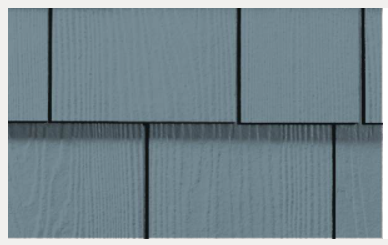
Hardie Shingles Siding Straight Edge
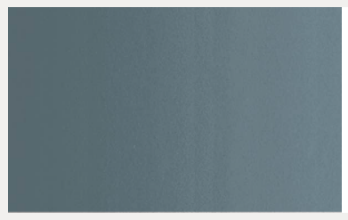
Hardie Vertical Siding Smooth
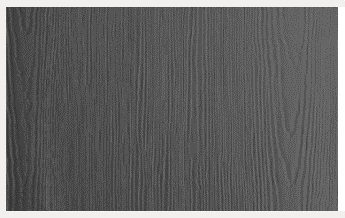
Hardie Vertical Siding Textured
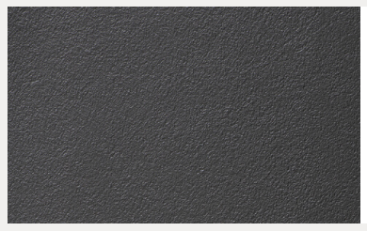
Hardie Panel Smooth
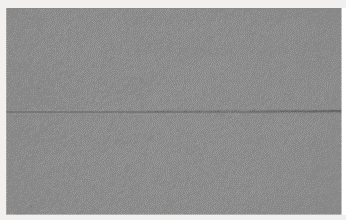
Hardie Panel Multi Groove
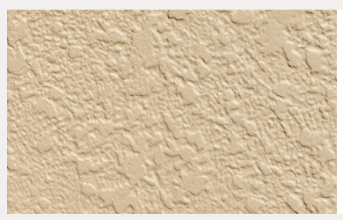
Hardie Panel Rough
Pros
- Termite proof and fire resistant
- Resilient to extreme temperatures and weather conditions
- Natural looking product, provides a wood grain texture
- Green choice, has no impact on landfill waste
Cons
- Increased transportation and installation costs
- Planks need painting, adding $4,000 to $5,000 in costs
- Occasional painting and re-caulking every five years
- Hard to repair, planks are not easily removed
- Planks cut on site, creating dusty working environment
Even after reviewing the characteristics of vinyl vs fiber cement siding, you should always look at the cost for each material and decide which one fits your budget. To provide a high-level overview of siding costs, the following chart from HomeGuide.com details the average material and labor costs for each siding type.
Siding Costs by Material
Material | Cost per Square Foot | Average Installation Costs (Material and Labor) |
Vinyl | $3 – $11 | $8,000 – $14,000 |
Fiber Cement (Hardie Siding) | $6 – $13 | $16,000 – $32,000 |