THREE WAYS TO BUILD A NEW HOME, NARROWING THE SCOPE
New home construction is an attractive option for those who want to build a dream home, eliminate maintenance of an older home, or enhance the features of a previously owned home. Entering the world of new construction homes can be stressful and intimidating to those without experience, especially in the current building climate. There are horror stories of shoddy work, delayed schedules, and overrun budgets. It is more important now than ever to enter the new home construction process as knowledgeable and prepared as possible.
There are primarily three ways to enter the new construction process. Listed below is a brief overview of those choices as well as links to more detailed articles on each type of home and what to expect from building each type. These articles were crafted to not only help kick start the building journey but provide ample information to take the guesswork out of the new home building process.
The first step in the building process is to narrow the scope by exploring these 3 choices and recognizing which one fits the budget, timeline, and personal preferences.
CUSTOM HOME
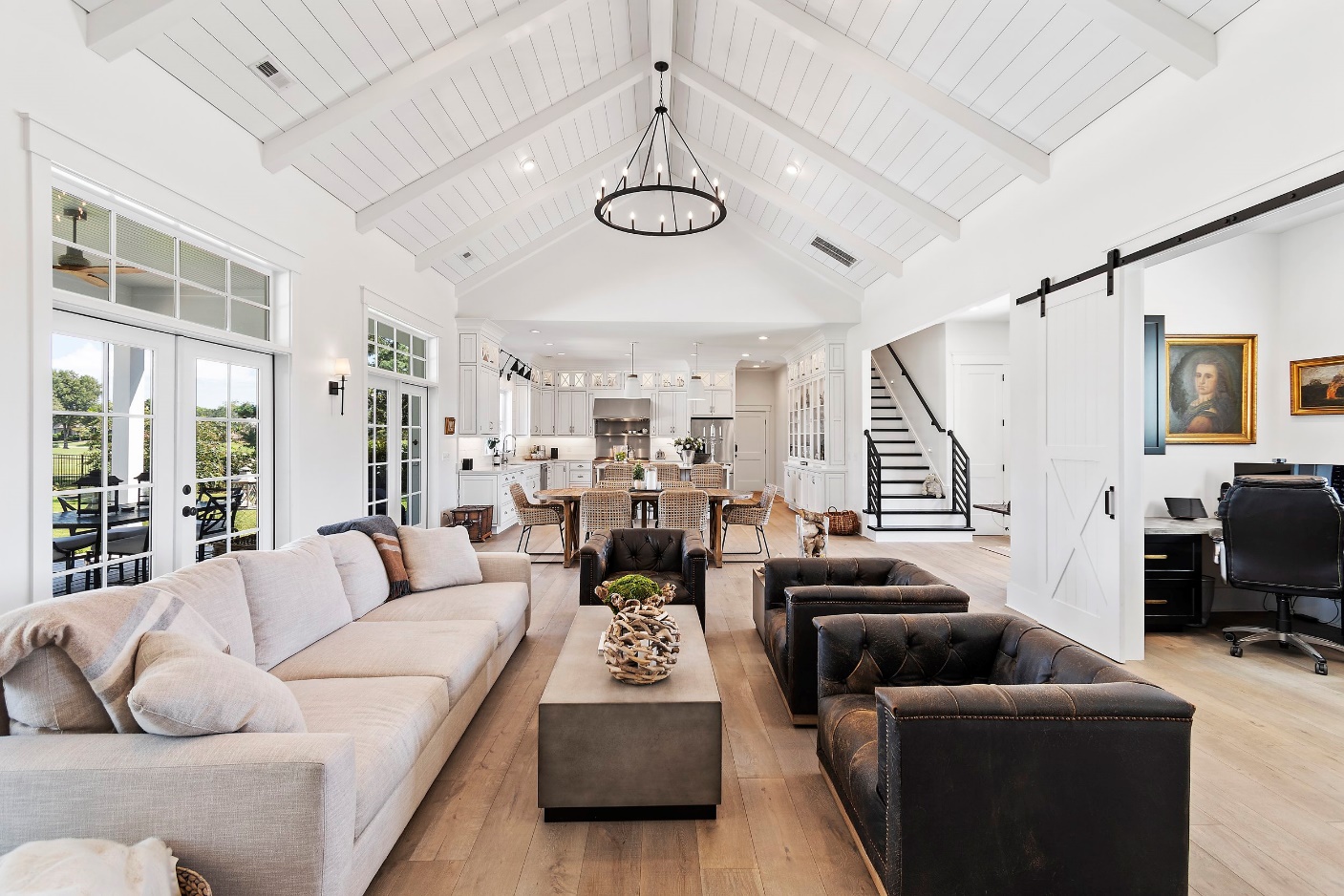
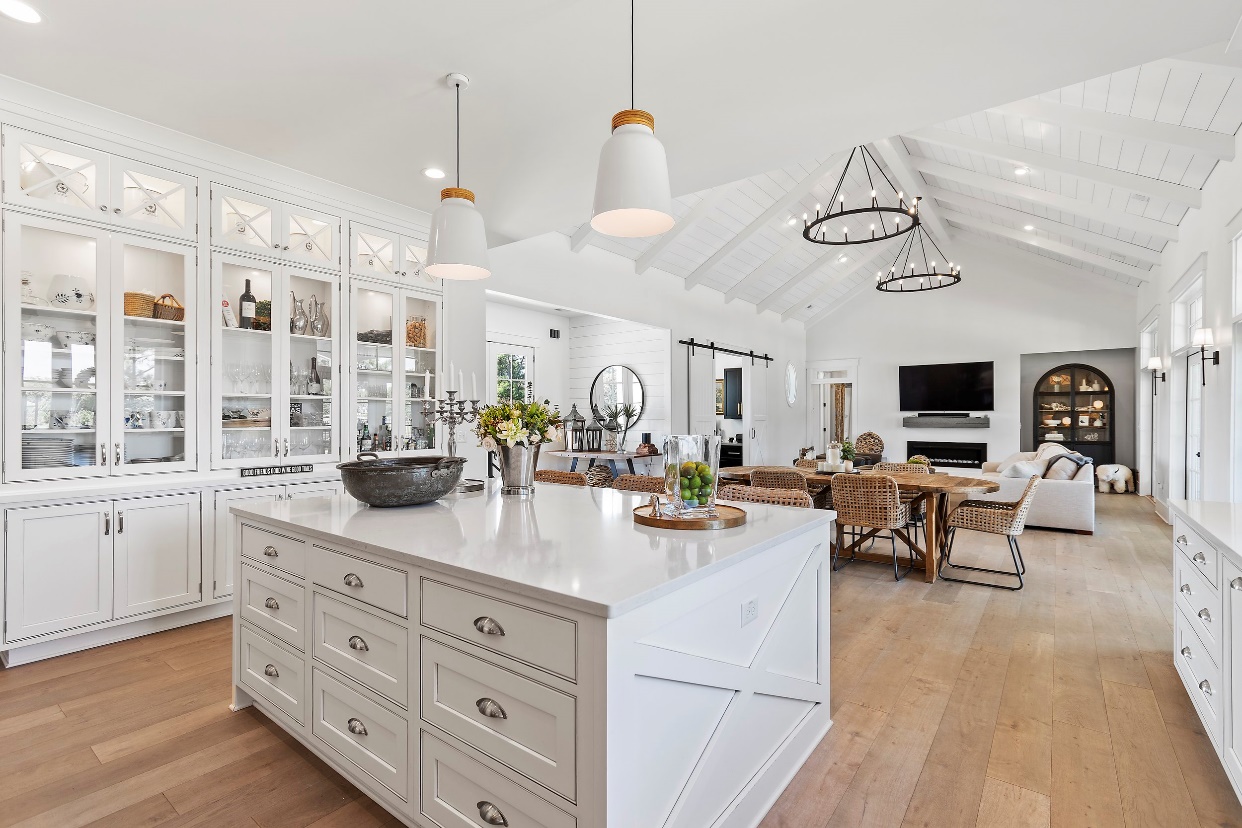
A custom home is designed and planned solely with one client in mind. Instead of adapting to the layout of an existing home, a client can design and build a home that meets all their needs. It is the ultimate way to create a space that is specific to how someone lives day in and day out.
How it’s Done, What to Look Out For
When building a custom home, a client works directly with a multi-functional team, which can include a builder, architect, design team, and real estate agent, to plan, design, and select every detail of the home’s location, construction, layout, amenities, and finishes. These aspects can range from the smallest features such as light bulbs and door hardware to the largest such as roofing and foundation materials. While the custom home building process is long and tedious and for some very stressful, if a client is well informed and follows the custom home building steps, they can experience an enjoyable and streamlined process. There are five critical steps that a client should follow when building their dream home, which include:Â
- Establish a budget and timeframe
- Secure financing
- Find and purchase a parcel of land
- Hire an architect to draft and spec a custom home plan
- Vet and hire a home builder to build the drafted home plan
1. BUDGET AND TIMEFRAME
Setting a budget and timeframe for building a custom home is not only the first decision in the building process it is the biggest obstacle in the custom home building process.
Often clients are surprised at the cost to build a new home. One of the first questions a builder is going to ask a client is “What is your budget?†A client needs to present a transparent and realistic budget to the builder. With a workable budget, a builder can help guide the client in the right direction for what type of custom home is right for them.
Another initial question a builder will ask is “What is your timeframe for building?†In today’s market, building a custom home can take much longer than originally expected; setting realistic expectations is critical to a successful custom home project.
2. FINANCING
Building a custom home on a client’s lot requires financing that is not typical in the everyday home buying process. First, a client can expect to pay more money upfront to not only pay cash for land but provide the builder with funds to pay for expenses that occur before financing is secured by the client. When building a custom home, the client needs a construction loan unless they plan to pay cash for the home.
A construction loan pays a series of advances called “draws†versus receiving the entire balance of a loan at one time. The lender disburses these small lump sum payments to the builder after each completed phase of construction. Generally, there is a five- to seven-draw schedule, which includes draws at these stages: foundation, rough framing, drywall installation, rough-in plumbing/electrical/HVAC, trim installation, and finish work.
And in most cases, the client only needs to pay interest on funds as they are drawn, not on the entire contract amount. At the end of the construction process, the loan will convert into a traditional mortgage.
3. LOCATION
As with anything else in real estate, location is still the most important element when buying or building a home. The client should work with a real estate agent to find a parcel that meets their needs for proximity, suitability, and lot type. For more information on choosing a lot for a new home click here. With the ideal location set, the client does not have to settle on where they want to live.
4. ARCHITECT
When choosing a home plan, a client has the option of locating a home plan on their own or finding an architect to plan and design their custom home. Every detail is an option, ranging from door cabinet hinges and specific electrical outlet locations to framing systems and footing depth. While the client may have their own ideas for the home, once hired, skilled professional architects and designers can draw out the client’s lifestyle and preferences to make suggestions on amenities and finishes that the client may have never thought about, making their custom home truly a dream home. Â
In addition, the client can provide their custom home plan to a design professional for home visualization via 3D models and picture quality renderings, which can include finishes. Although like most things in construction, there might be some slight variations in the modeling, but for the most part, the home can be visualized digitally before the building process begins. Â
When working with a one-off design, not only is the client going to pay more for both the design and construction, but there are certain design risks or failures that might not be caught until the construction phase begins. Even though the client may not want to hire an architect or builder before purchasing the land, there is a potential that the land is not suitable for the style or size home, so having a consultation with a builder or architect could be a smart investment.
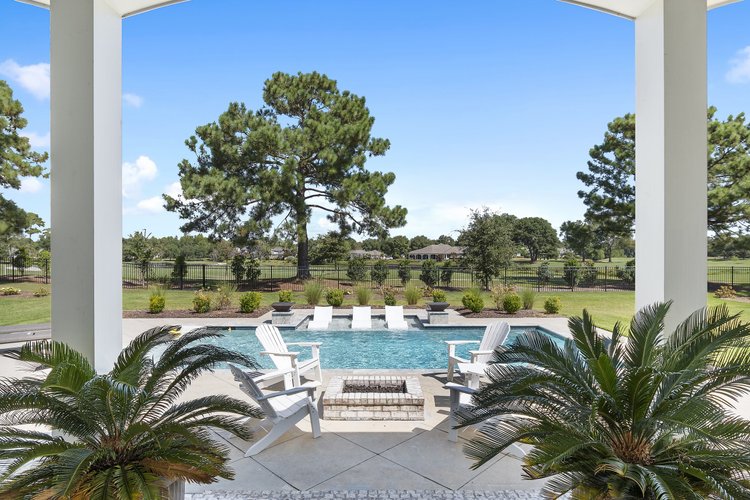
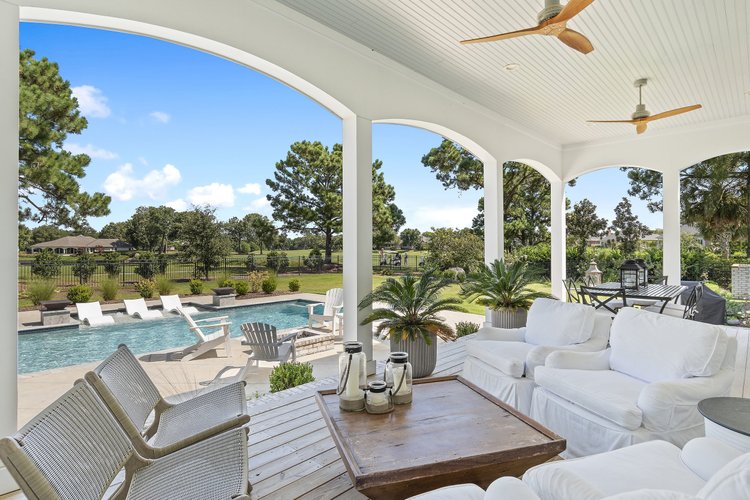
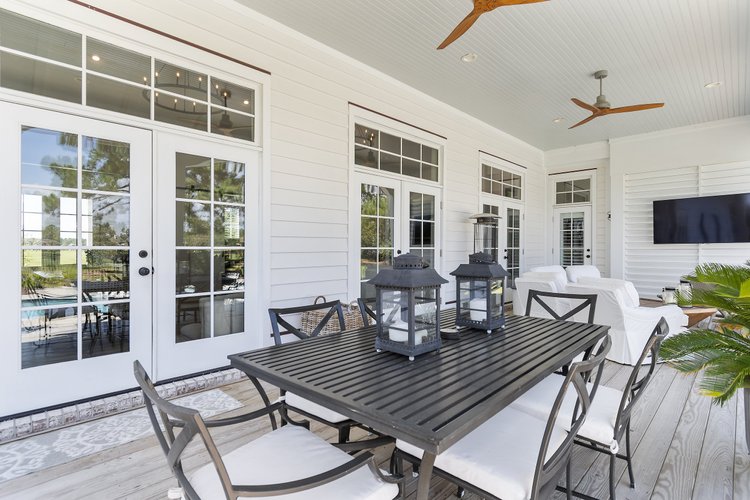
5. BUILDER
Finding a builder to build a custom home is the last step before the embarking on the construction process. Whether the client knows a possible builder to do the project for them or is starting their search from scratch, they will need to research whether through their real estate agent, online reviews, or word of mouth, and vet all potential builders. Verifying the builder’s experience is critical, whether they’re a buddy or a stranger.
- Clients need to check a builder’s credentials. Questions, such as “How long has the company been in business?†and “How many homes have you built?†should be some initial inquiries. A client should ask for proof of licenses and insurance information as well as references. When asking for references, a client needs to compare projects that are similar in scope and scale.
- Clients should know about any home buying warranties whether via the builder or a third-party provider. With a third-party provider, if the builder goes out of business, the client is still covered with a home warranty. These types of warranties cover heating and cooling systems, electrical and plumbing as well as appliances. Most builders offer a one-year warranty of labor and materials.
- One of the best ways to vet a builder is to take a tour of a model home or a home that is currently under construction. Taking a tour lets the client observe materials and workmanship as well as finishes and amenities.
- Once a client has a builder in mind, they should vet the builder with other industry professionals such as lenders, real estate agents, suppliers, and sub-contractors. These professionals work with the builder on a recurring basis and should be able to provide valuable insight, helping the client develop a builder shortlist.
In addition, there are design-build firms that can manage both designing and building of a custom home. This all-inclusive firm can decrease some of the overall inefficiencies and create a smoother custom home building process; however, the design-build firm needs to be vetted well enough to ensure any potential conflicts of interest aren’t exploited by the firm.
What Else to Consider
Buying a home, much less building a home, can be a stressful experience. Some clients can quickly become overwhelmed with the amount of selections, building cost, and highs and lows of the building process. It’s important that clients recognize their mental limits. If the process is going to weigh them down, day in and day out, then the means does not justify the end, which could make the building process arduous for everyone. It’s important that a client understand building a custom home involves the most details, the most stress, and it is very easy to become overwhelmed during the process. And, while it may not be easy to uncover how much a client can handle, if a client expresses any aversion to the building process, then it might be worth steering them in another direction such as a semi-custom home.
Summary
While a custom home tends to be every client’s dream, the home building process, as desirable as it is on the surface, does come with a lot of practical restrictions, such as cost, time, and stress. These limitations can thwart the feasibility of custom home building by most clients. A client needs to be mentally ready for the trade-off of getting exactly what they want with the increased time, risks, and costs to make a custom home happen.Â
Throughout the different phases of the custom home process, the client needs to not only follow the basic building process but research each professional whether real estate agent, architect, or builder. This can be a pro or con depending on how involved the client wants to be in the process. Having multiple professionals working on a custom home can provide broader insight on how to satisfy the client, but it can also lead to communication failures among the professionals, which can cause delays or design flaws for the project.
SEMI-CUSTOM HOME
A semi-custom home is an “in-between†choice for clients who may not want the limited options of a spec home, but don’t want to experience the process of building a custom home. A semi-custom home can be a great choice for clients who want their home to stand out and be more personalized for their needs, yet remain affordable and time efficient.
Customizing the Plan
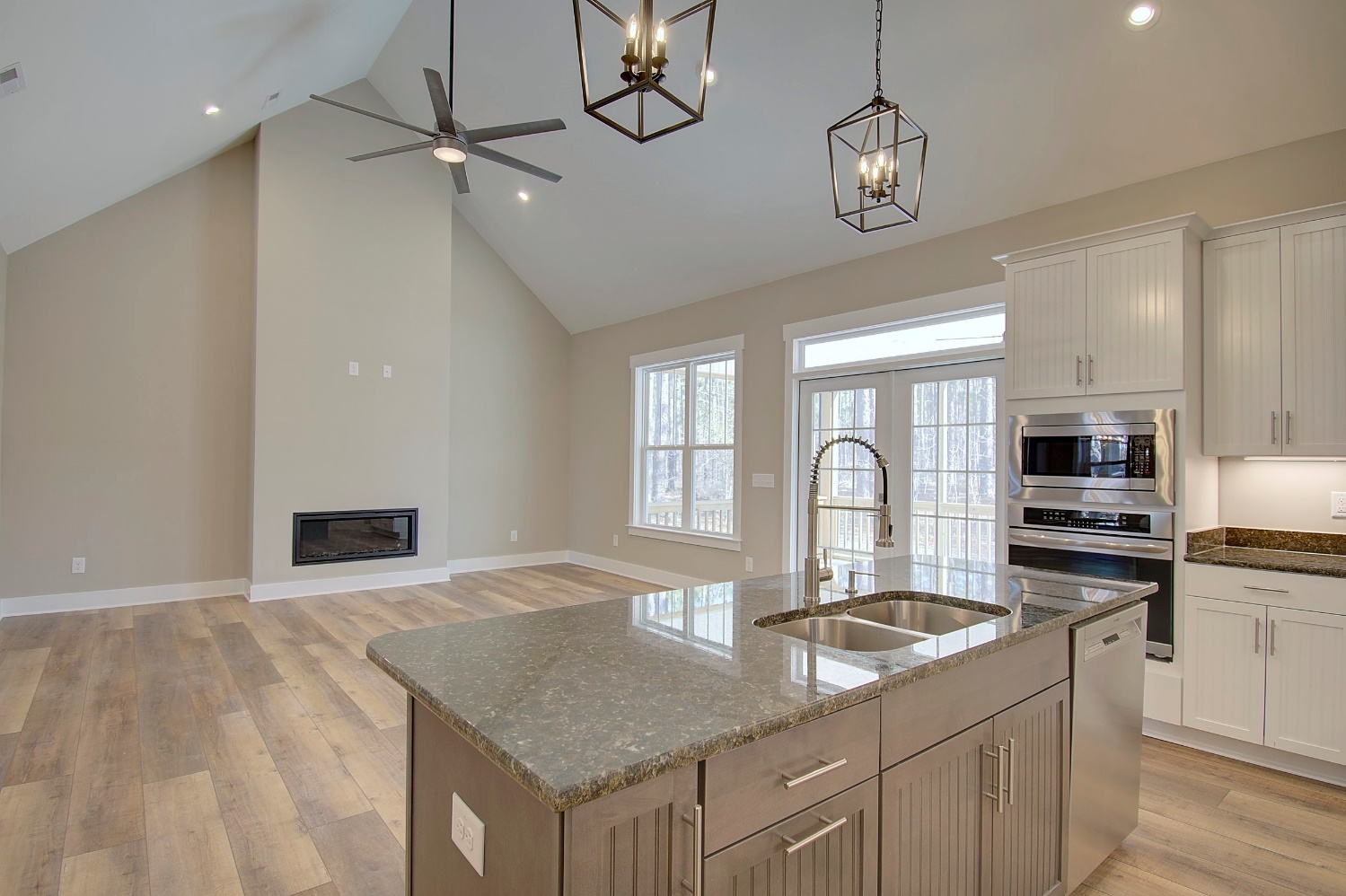
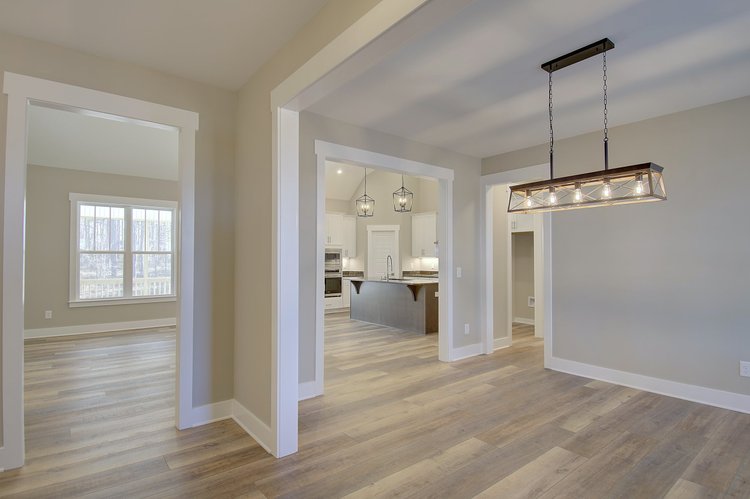
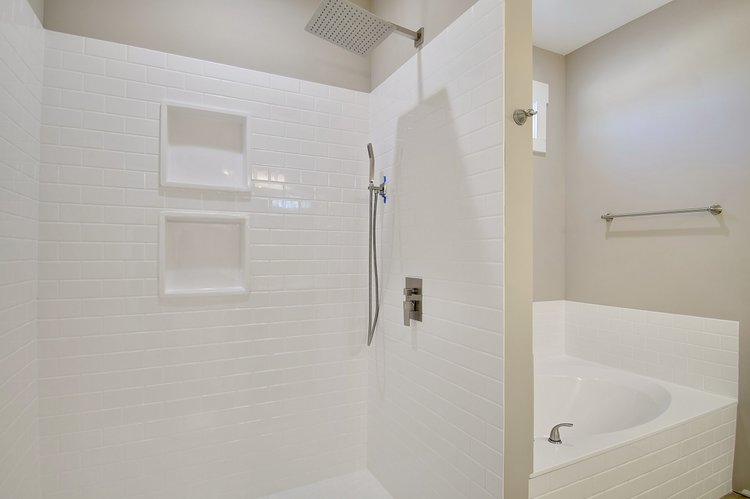
A semi-custom home can either be built on the client’s land or on land already owned by the builder; usually the client is taking the builder’s home plan and customizing it to their needs. Typical customization examples include, extending the garage, adding a garage bay, widening the back porch porch, upgrading the water heater, adding windows to rooms . . . The builder modifies the home’s specifications to accommodate the client’s requests and sometimes creates a draft to reflect the desired customizations before beginning the build.Â
The extent of customization and its process varies by builder. Some builders have strict limitations on what can or cannot be done to a home, other times the client’s requests would be impractical to any builder, such as, a installing a wood shingle roof, stucco, or antiques. Builders should steer clients away from requests that have a high probability of failures or problems. Either way it’s a good idea to make sure the list of “must haves†in the future home are priced ahead of time and can be handled by the builder before signing the building contract.
It's not uncommon for builders to charge the client during the customization process to cover time and resources for items such as:
- A lot survey and a site plan to make sure the home will fit on the lot
- Engineering costs to make sure the home can be built with the requested changes
- Drafting costs of the home plan with proposed changes for showing the client as well as getting ARB approval from an HOA
The extent of this work varies based on the client’s requests and the limitations of the building lot.
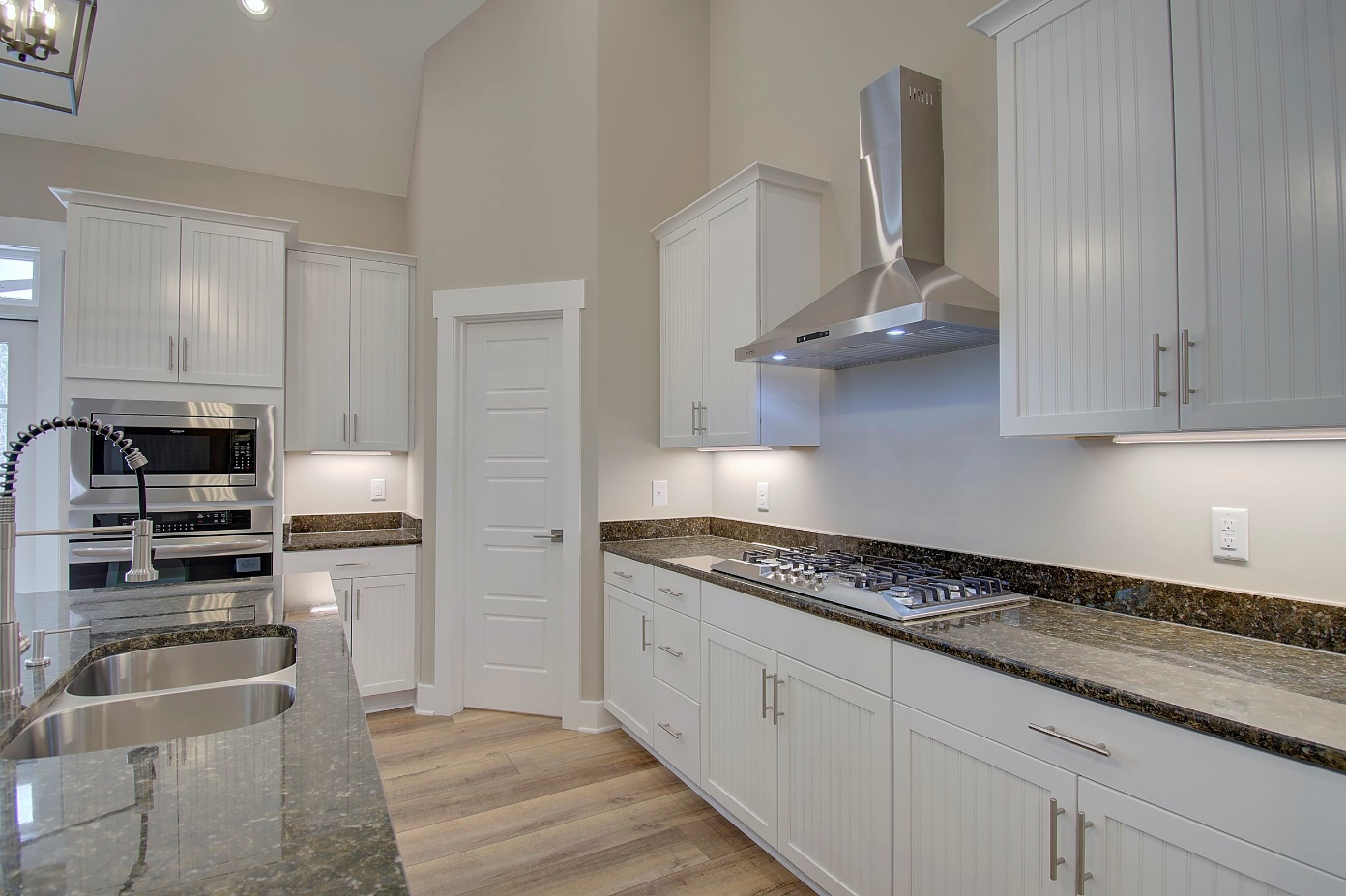
Setting the Client’s Expectations
A semi-custom home when executed well can provide a great experience for both the client and the builder. There are several things that the client needs to be aware of before entering the process with a builder.
Most clients who build a semi-custom home will never call it a semi-custom home; often they refer to it as their custom home. While it’s true that their home is being customized and built for them, the overall experience is different, and the builder might not be equipped to handle all selections and customizations that the client throws at the builder. While all semi-custom home builders should have a process for handling change orders and selections after the project begins, it’s important to realize that most builders retain the right to deny a change order request.
A common issue that comes up during the semi-custom construction process is a change order or request from the client that requires a delay in the overall schedule of the home construction or an increased amount of work from the project manager or estimator. The extra management time and delayed project cost will be added on to the overall cost of the change order which can add up quickly. Before any contract is signed, the client needs to plan their “must haves†with related costs. There is nothing worse than a client realizing that a certain amenity or finish is not included in their home or can’t be included in their home after the construction process has already begun.
Vetting the Builder
During the semi-custom home building process, almost every point of construction as well as the end-product home is controlled by the builder, which ensures overall project efficiency. Because of this, it is important to vet the builder and their abilities before beginning the build. Clients or their real estate agents should talk to previous clients of the builder; this will provide the client with a sense of what to expect from a particular builder.
After properly vetting the builder, it’s important to trust the process and the builder during construction. There will be imperfections and mishaps on every home construction process and understandably it’s a stressful situation for most clients to be in, but a builder with a good reputation will be able to communicate well and guide the client through the process without taking advantage of any situations that might come up.Â
SPEC HOME
A spec home or speculative home is designed and constructed by a builder without having an individual buyer in mind. A spec home follows a building plan that the builder owns or has a license to use and is constructed to the builder’s recommended specifications, which the builder has probably built multiple times. Most of the time, a spec home is built on the builder’s land and priced to sell as a land/home package; however, a spec home can also be built on a client’s land.
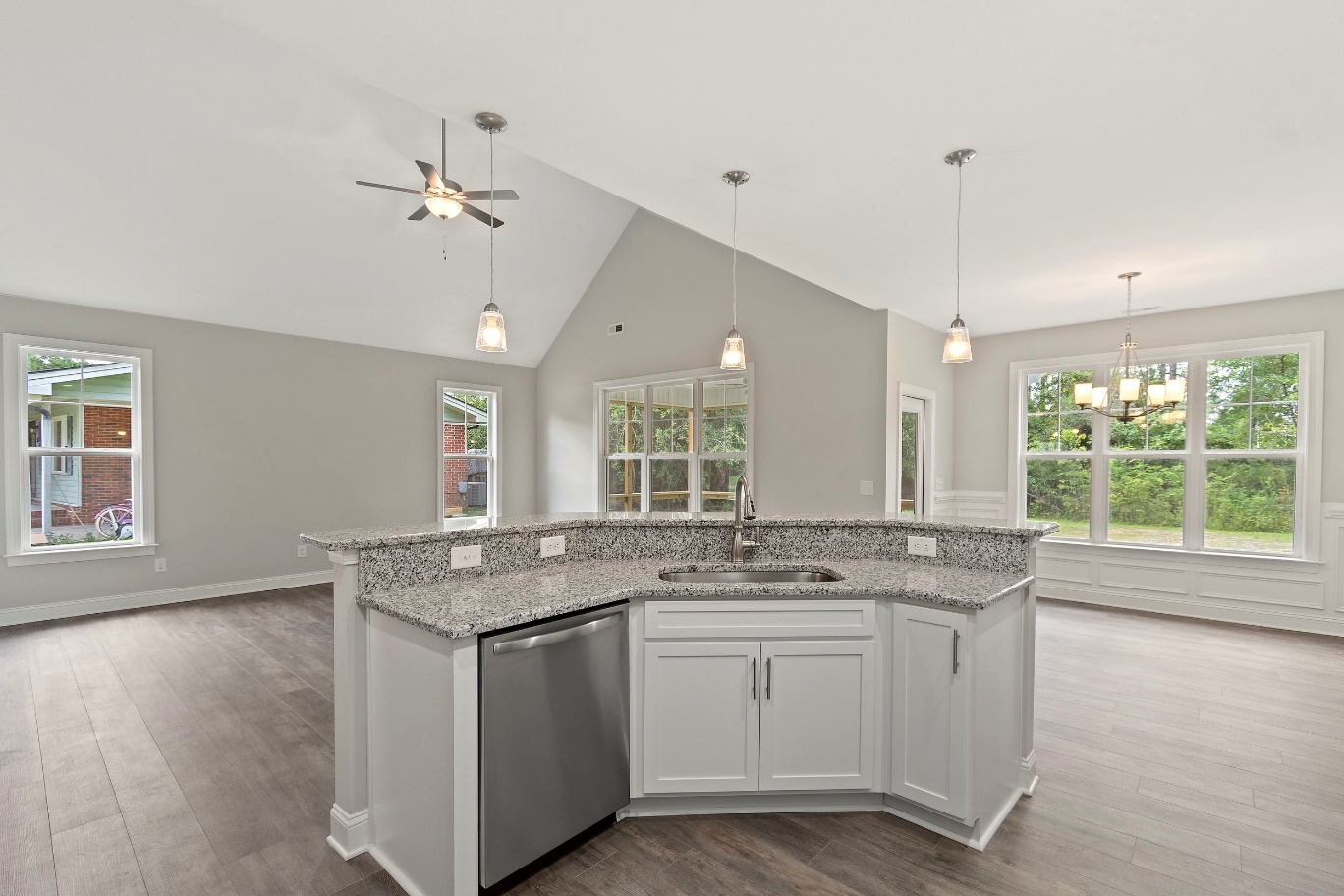
A spec home could be a perfect solution for a home buyer if they want a newly built home that is move-in ready. A spec home is in sharp contrast to a customized home. A spec home takes less time to build versus a semi-custom or custom-built home. With a spec home, there’s no waiting: simply plan a move-in date with no worries. Â
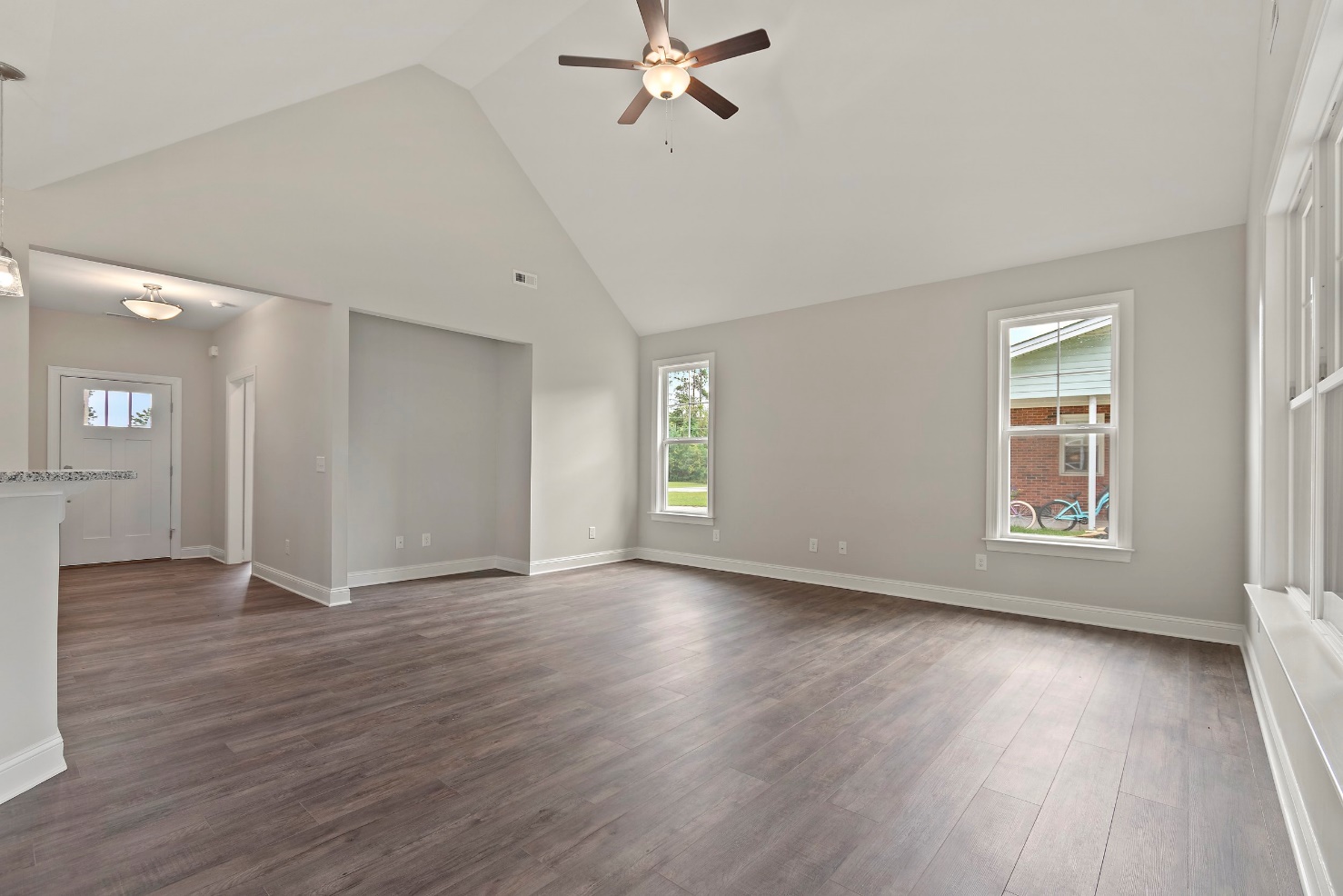
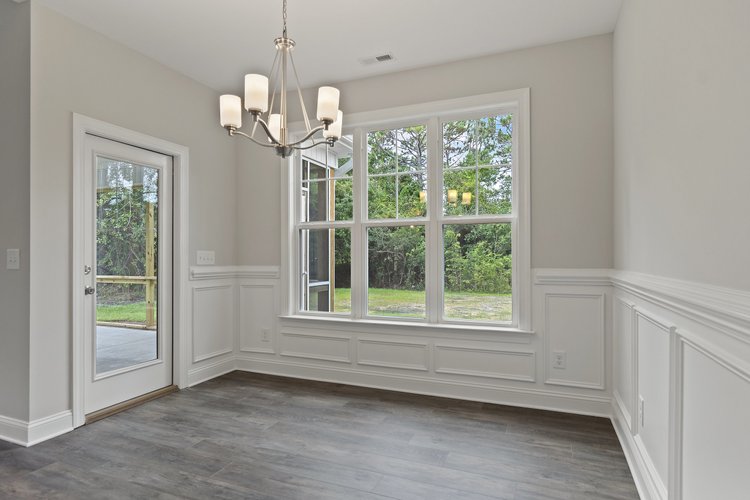
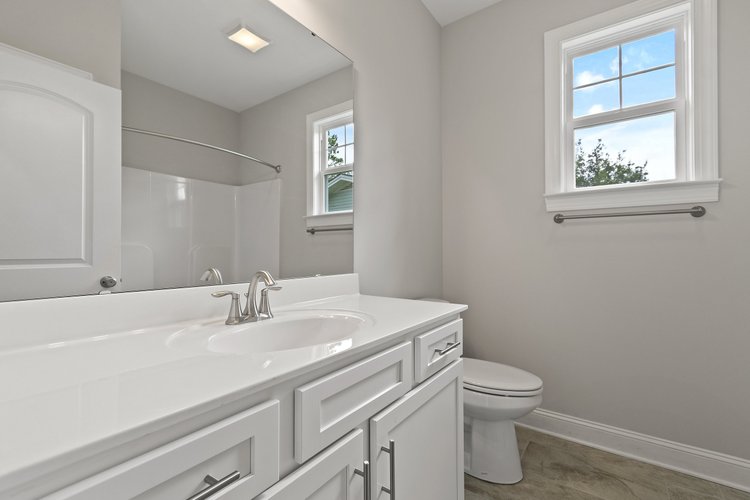
A fully completed spec home provides the home buyer the opportunity to physically walk through the prospective new living space, allowing them to get a sense of flow, room sizes, finishes, and amenities before committing to purchasing the home. With this ability, the home buyer might realize that “an open concept†floorplan is exactly what they are looking for or a master bedroom on the second floor is not where they want.
Most spec homes go up for sale only when they’re fully complete except for the finishing touches, which means customization options are limited. The building plan and selections such as windows, interior doors, roofing color, vinyl siding, lighting, and appliances could have already been chosen by the builder. This well thought-out practice can be a plus because it not only saves months of research, planning, and decision making, but it reduces the stress associated with picking all the selections. Most builders stick with the styles and features they believe will sell easily in their target market, so a spec home might look much like other homes built by the same builder. However, spec homes that have not been customized are known to have the best resale value. And, because builders buy in bulk, they can install quality materials, then pass the savings to the buyer. Home buyers can get appliances, lighting fixtures, granite countertops, and flooring for less than if they were to buy them on their own.
Sometimes a spec home can get a bad reputation. Unfortunately, it is due to builders who take shortcuts on material quality and labor to save costs. Currently, this building practice is a common occurrence for some large national builders. Conversely, a spec home can also have a great reputation because it gives the homeowner not only a well thought out home plan but provides the best value. When choosing a spec home, the home buyer should vet the builder by looking at their current under construction spec homes to determine if the materials and construction quality meet their standards. Finding and vetting a good builder’s spec home can not only provide the home buyer with everything they wanted in a new home but also amenities and finishes they may not have considered before seeing them in the finished home.